Pik + Sit
A modular system for play

^Jayden, aged 3 here
Problem:
My family friend loves playing making blanket forts. But in a railroad-style apartment, one fort means taking up the whole living room. Cleanup also becomes a bit of an issue when all the furniture is being utilized.
Mission:
The [ARST-370] Regenerative Design course challenges students to create objects for rest out of renewable resources. I decided to use my time to create a new way Jayden to build forts in a more organized, space-efficient way.
Ideation & Research:
I started the project by speaking with Jayden and his parents. Our conversation helped me learn about the toys he enjoyed playing with. I collected this information because I knew that I wanted the final product to be an intuitive system that allows for Jayden to make different kinds of forts.
Key Takeaways:
I also took the time to research products with intuitive instructions for user construction. The products I spent the most time looking at were: Lego’s bricks, Ikea’s furniture, and Magnatiles’ tiles. I learned that good building systems typically include the following things:
Initial Designs:
After looking at other building systems, I began building my own system for play. I started by creating small models of a chair out of hardboard. The panels of each chair were 1:1 squares and used a series of notches to fit together.
This was also when I started looking at other sources for chair configurations. I looked at simple structures, more blanket forts, and even got some friends to build basic structures using furniture.
Iterating:
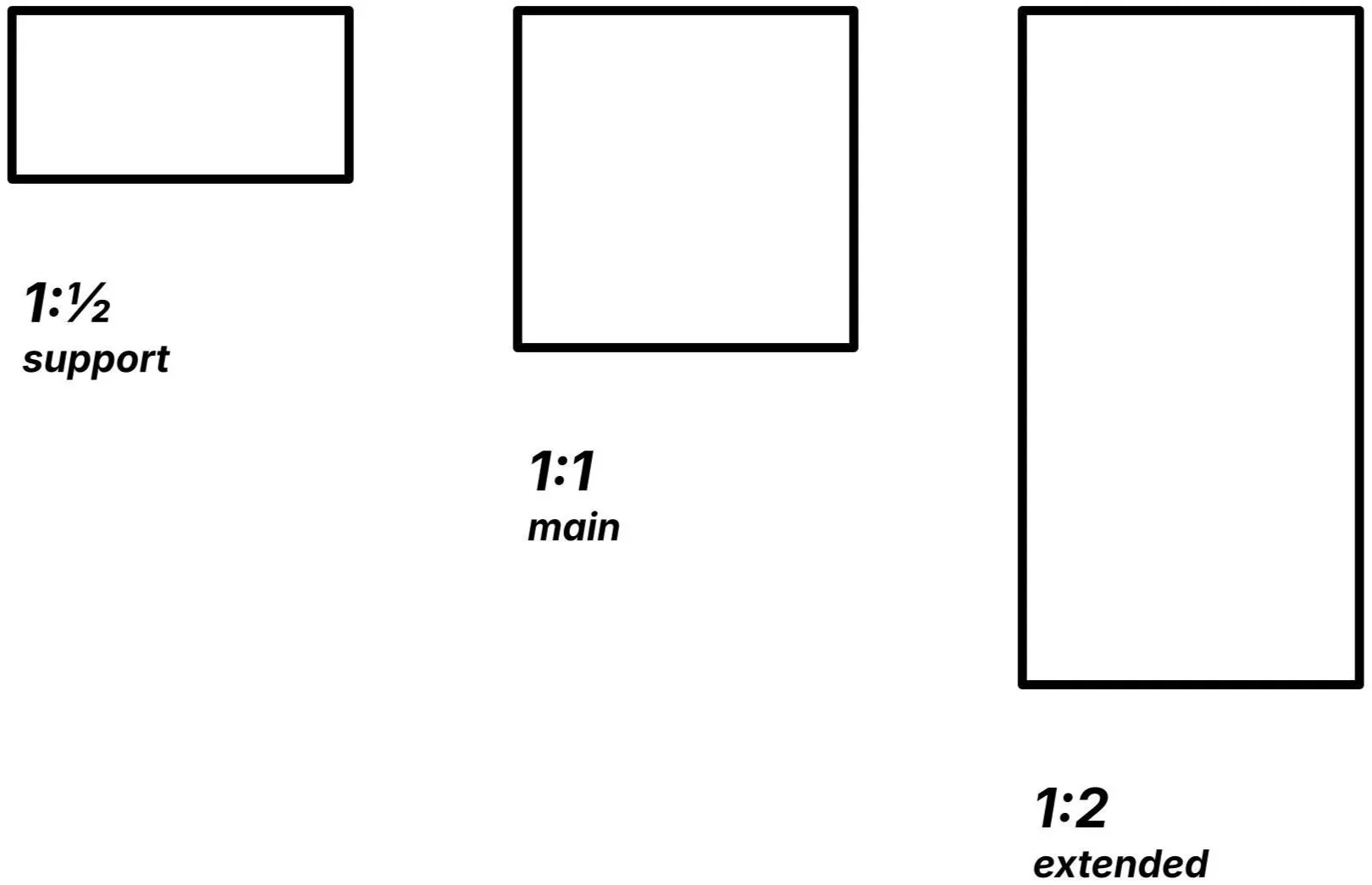
I wanted to create a standardized system, so I decided to work with extremely simple ratios. While the notches would vary from panel to panel, I decided to limit myself to three standard sizes:
Material Exploration
Because my project was straightforward to build, I took some time to experiment with materials. I began by learning about paper composites since they seemed interesting at the time. Creating a material from paper scraps would solve many issues, including weight reduction, sustainability, and safety.
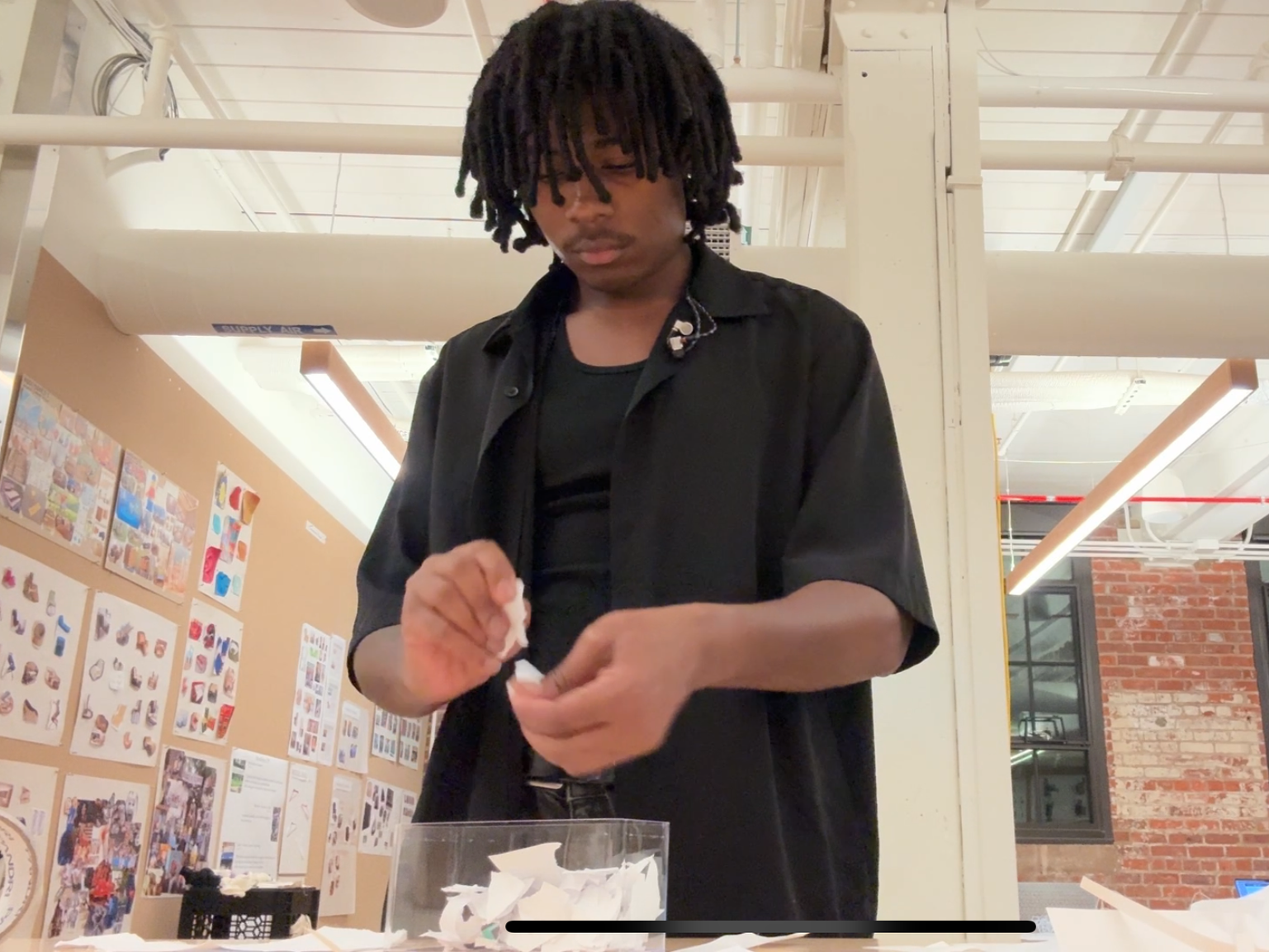
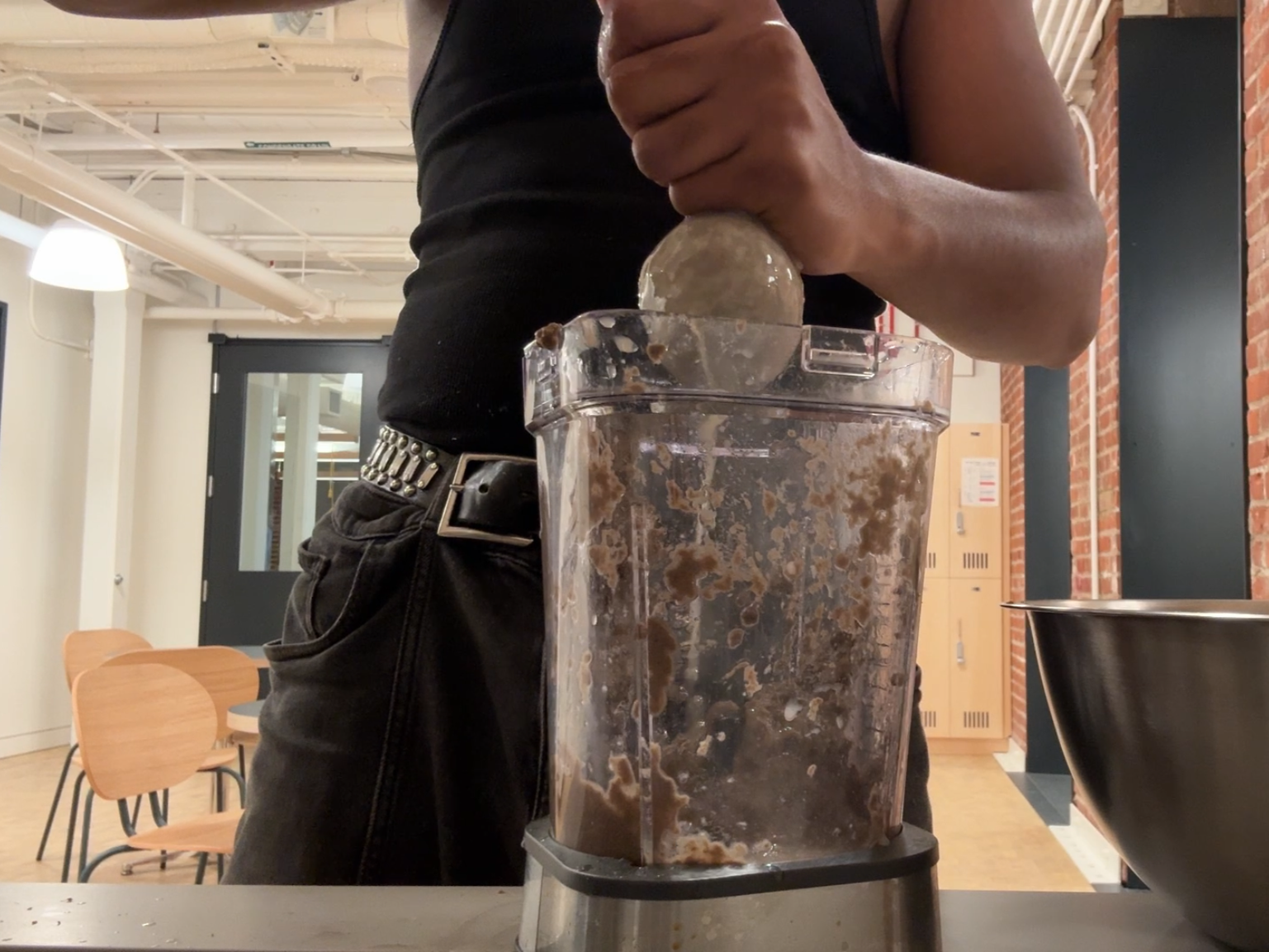
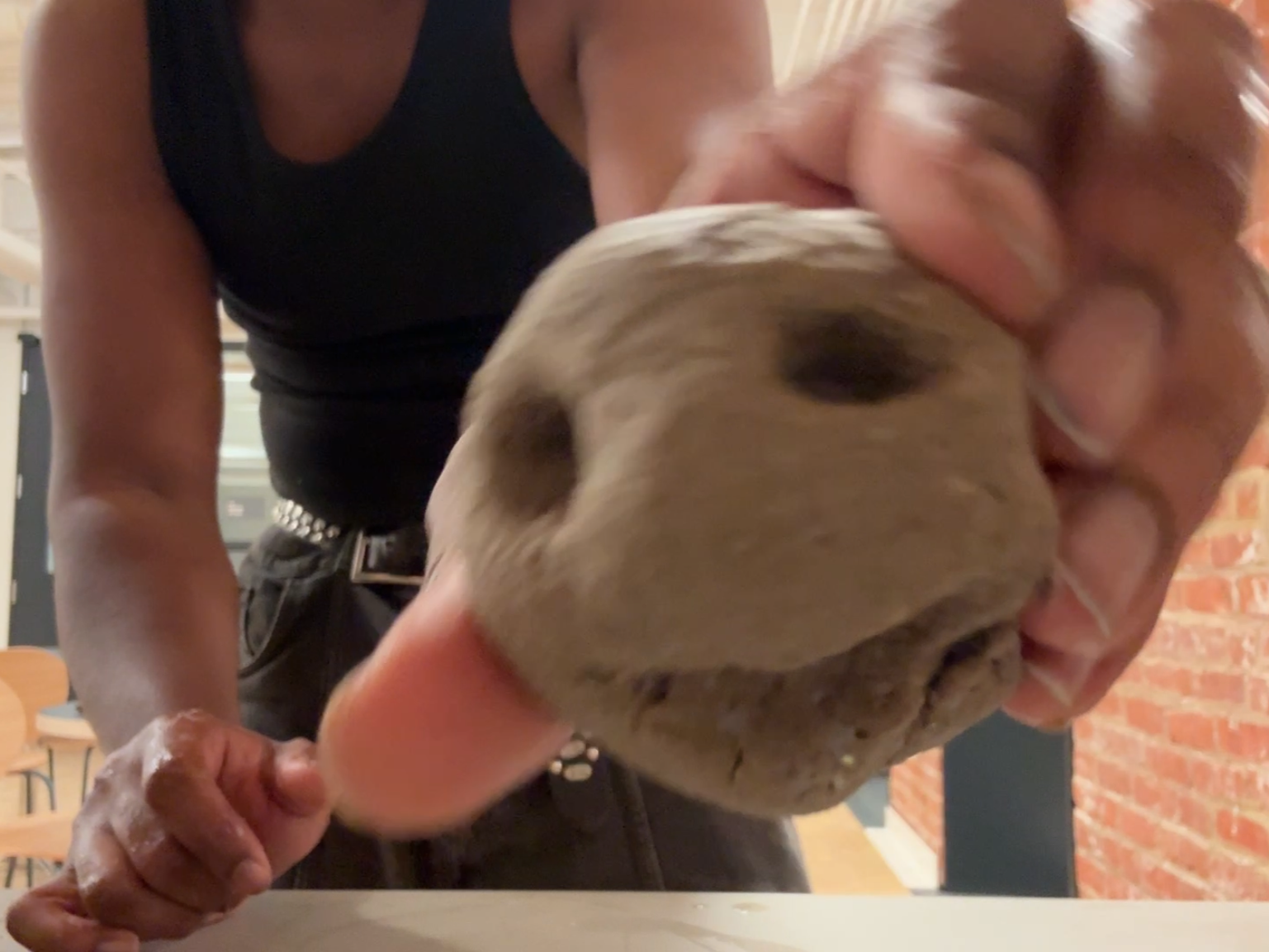
Paper scraps, water, wheat, and rice
I played around with different composite materials. The first was a clay-like material I made from blending paper scraps with rice paste. The material would then be strained with a thin cloth and compressed in a mold to dry hard.
The only downside of this material was its drying time. Constructing proper molds to complete this was also a concern.
I later switched to using wheat paste and cardboard sheets to create a wafer-like structure. When dried, the cardboard was hardened enough to use woodworking tools on.
Again though, I struggled to make this material work because it took extremely long to dry.
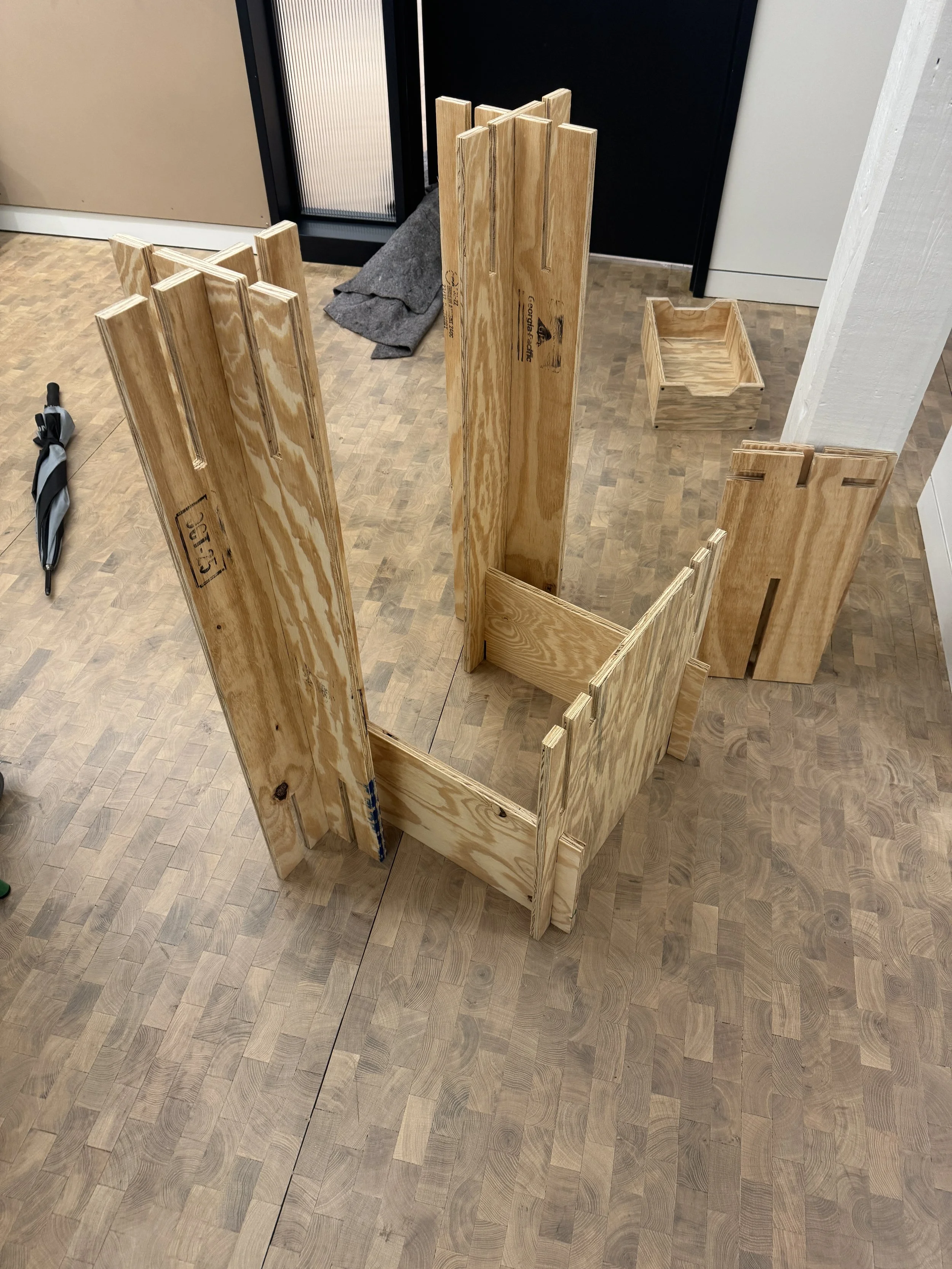
Good ‘ol-fashioned wood
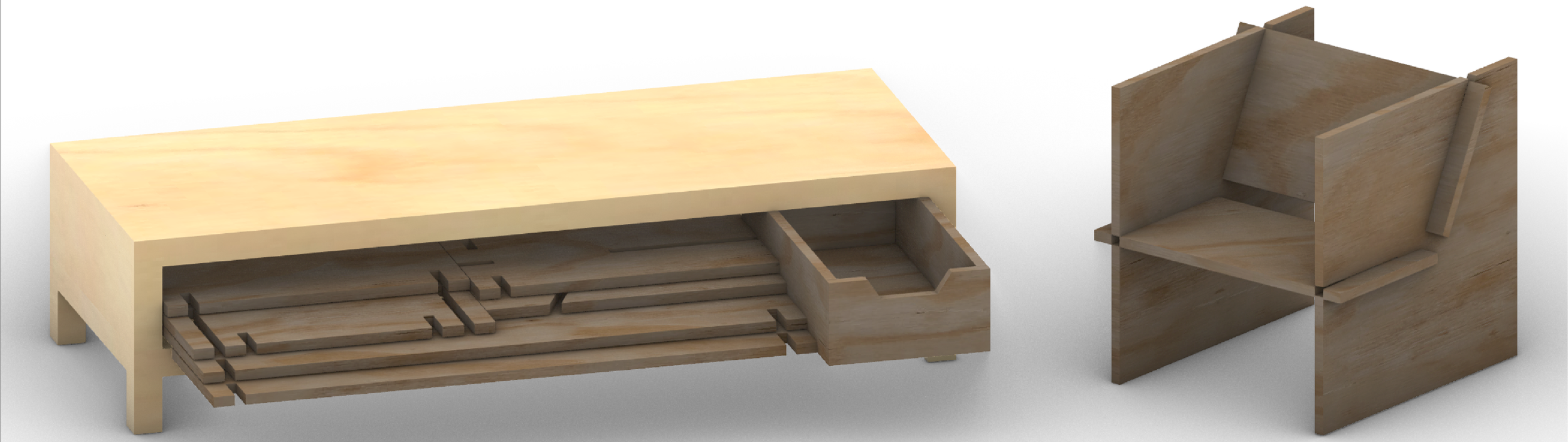
I ended up making the final project out of plywood because of the time constraint. Given more time to work on this project, I think the paper composite would have made it much more kid-friendly. It’s not all bad, though, since Jayden was still able to use the wooden panels effectively. Plus, I ended up finding a wooden Ikea Lack table that matched the panels perfectly. Now the panels could be stowed away in the table to save space.
Assembly:
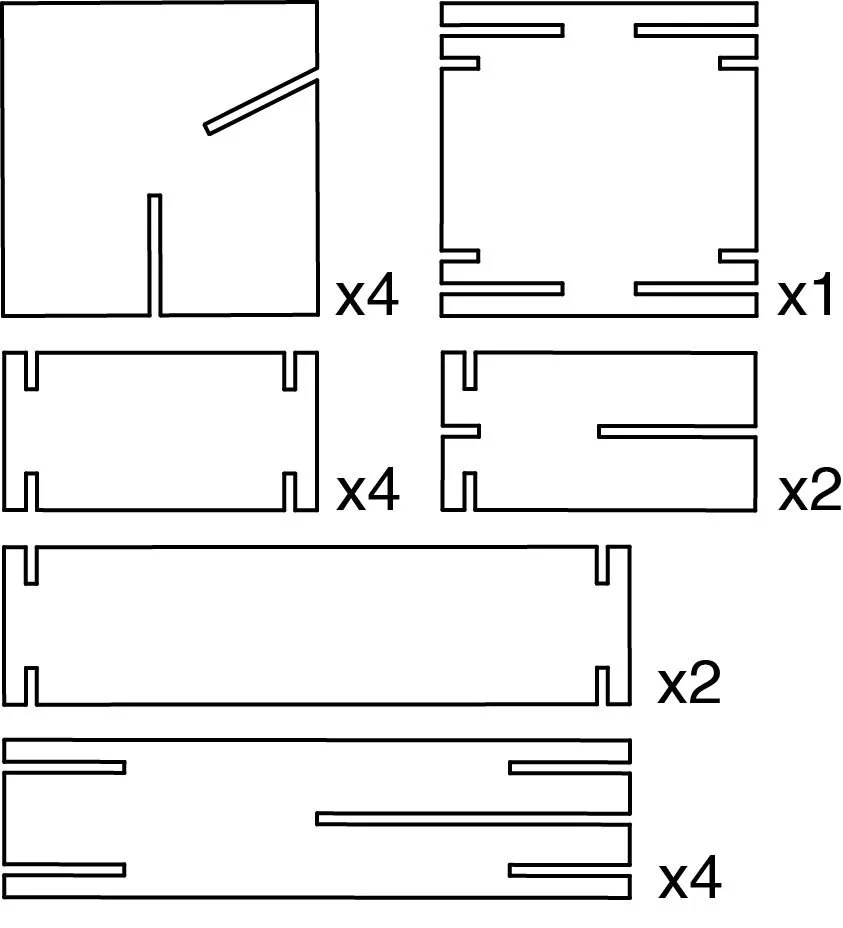
I designed the panels in Rhino 8 to ensure that they would actually fit together. After having clear drawings of each panel, I transferred them to the wood panels. There were 17 altogether. In addition to the panels, I constructed a small storage box to fit into the coffee table.